 Getting regular exercise when you’re short on time can feel almost impossible. Between work, family, and everything else, squeezing in a workout is often the first thing to drop from my schedule. That’s exactly why I started relying on quick, noequipment bodyweight workouts whenever life gets hectic.
A 10-minute routine fits into even the busiest day, wakes up stiff muscles, and can boost my energy fast. No fancy gear, no gym required; just a bit of floor space and the determination to move. Whether you want to get stronger, burn a little fat, or just shake off stress, this beginnerfriendly bodyweight circuit is practical, doable, and easy to build into any routine.
I’m breaking down my favorite 10-minute bodyweight workout for busy beginners, including tips to set up your space, ideas to modify moves, and advice for keeping yourself motivated, even when your day is off the rails. You’ll see how easy it is to get healthy movement, no matter how packed your schedule feels.
Why 10-Minute Workouts Actually Work
You might wonder if 10 minutes can really do anything. From my experience and what I’ve learned, short workouts are surprisingly effective, especially when you actually push yourself and keep movement steady.
Benefits of a Quick Bodyweight Workout
- Boosts energy and focus without a big time commitment
- Helps build consistency; quick sessions make it easier to stick with a new routine
- Can improve mood, lower stress, and support fat loss
- Safe for beginners, with lots of options to modify or scale up
- No need for equipment, so you can literally hop in anytime, anywhere
Research shows that shorter, consistent exercise sessions can help improve fitness, as long as you’re moving with purpose and good form. Even if I can only commit 10 minutes, I know it pays off when I stick with it each day. Plus, the sense of accomplishment carries over into the rest of my day, making me feel more productive overall.
What Makes a Good Beginner Bodyweight Routine?
For beginners and anyone short on time, keeping things simple helps a lot. The best routines work the whole body, without any move being too complicated or intimidating. I like to pick exercises that cover all major muscle groups and get my heart rate up just enough.
Requirements for a Useful Quick Workout
- Easy to follow; no technical skills needed
- Balanced, so you target upper, lower, core, and a little cardio
- Scalable, simple to make easier or harder
- Minimal rest, keeps the session efficient without dragging it out
Bodyweight exercises like squats, pushups, and planks hit every part of the body, and you can always dial up or down the intensity with simple tweaks. By keeping exercises approachable but also challenging as you get stronger, you can build a routine that grows with you over time.
Your 10-Minute Bodyweight Workout: Full Routine
This circuit takes just 10 minutes. Try to go from one exercise to the next, keeping rest to a minimum (about 15 seconds between moves). You can do it once, or repeat it if you have extra time available or want to push yourself a bit further on a good day.
Here’s what I like to include:
- Bodyweight Squats (60 seconds)
Stand with feet shoulderwidth apart. Lower your hips down and back like you’re sitting into a chair. Keep your chest up. Stand back up. Repeat for one minute. This move targets your legs and glutes, building a solid lower body base. - Knee PushUps (45 seconds)
From a kneeling plank position, hands under shoulders, lower your chest toward the floor by bending elbows. Push up. If regular pushups are too hard, drop to knees. Over time, try moving your hands to different positions for an extra challenge or to rest your wrists. - Standing Alternating Lunges (45 seconds)
Step forward with one leg, lower yourself until both knees are bent about 90 degrees. Push back to standing and switch sides. This helps improve your balance and strengthens the muscles in your lower body and core. - Plank Hold (45 seconds)
Forearms or hands down, body straight from head to heels. Keep your core braced. Hold as long as possible, aiming for the full time. Even a partial hold will help build your core strength. - Standing Arm Circles (30 seconds)
Raise your arms out to the sides and make small circles for 30 seconds, then reverse. A simple move to loosen up shoulders and arm muscles after the earlier exercises. Focus on controlled movement and breathe deeply. - Glute Bridges (45 seconds)
Lie on your back, knees bent, feet flat. Push hips up, squeeze your glutes, then lower down. Repeat. This exercise is great for your backside and also helps support healthy posture. - High Knees March (30 seconds)
March in place, lifting knees up high and swinging your arms. Go at a pace that challenges you. This move works as light cardio and helps elevate your heart rate without jumping. - Seated Russian Twists (30 seconds)
Sit with knees bent, lean back a bit. Twist your torso to tap the floor beside your hip, then switch sides. Go slow and focus on your core. Try holding a household object for added resistance if you want a challenge. - Wall Sit (45 seconds)
Lean your back against a wall, slide down until your knees are at 90 degrees. Hold it as long as possible. Shake out your legs after! This isometric move helps build endurance and strength in your thighs and glutes. - Cooldown: Forward Fold and Quad Stretch (1 minute)
Reach toward your toes and hold, then switch to standing and pull one foot up to stretch your quads. Gentle stretching reduces soreness and signals your body to relax after the circuit.
How to Make This Routine Work for You
If you feel like the moves are too tough, or too easy, don’t stress. There are tons of ways to adjust and find what feels right. The great thing about bodyweight training is how flexible it is, allowing you to find what works at your current fitness level and grow from there.
Modifications for Beginners
- Use a sturdy chair for support during squats or lunges if balance is an issue
- Drop to elbows for a plank if your wrists get sore, or try a wall plank
- Skip or shorten moves if you need more rest between exercises
- For more challenge, add speed or increase reps or time to each move
Starting slow is totally normal. The hardest part is getting started, but it gets easier each time you show up. Adjust the pace as needed and remember—progress, not perfection—counts in fitness.
Get Set Up: Making Space for Your Workout
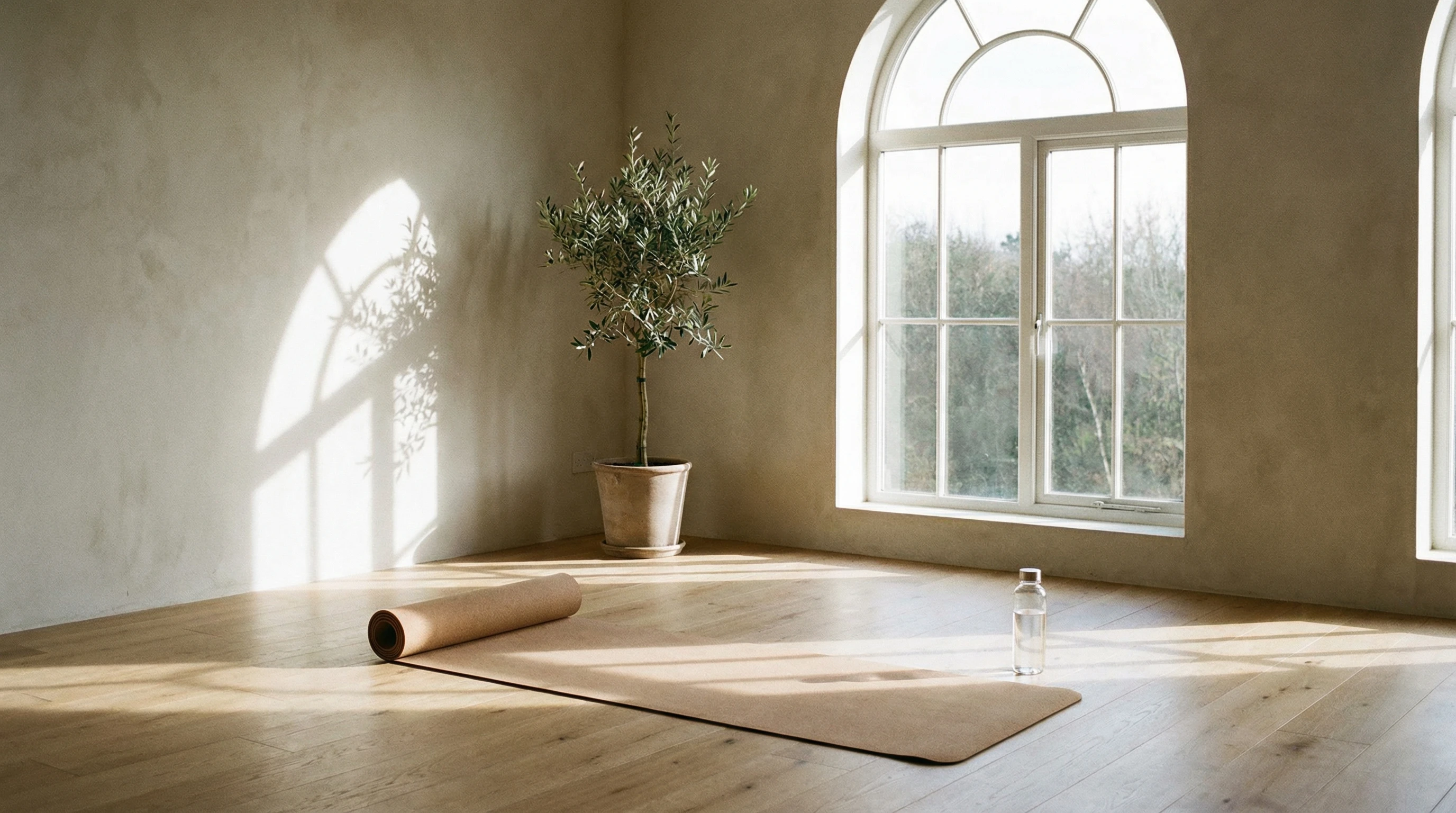
One thing I learned pretty quickly is that having a personal “workout spot” makes it so much easier to stick to my routine. Even just clearing a corner in your living room or bedroom makes a big difference. Lay down a mat or towel if your floor is uncomfortable or slippery. Set aside your water bottle so you stay hydrated, and toss your phone in airplane mode to stay focused on your session.
If you want a little extra push, turn on some music that gets you moving, or set a visible timer. Little cues like energizing music or a countdown make showing up for 10 minutes way more enjoyable and help keep you on track. These mini habits can make the difference between fitting in movement and skipping it.
Staying Motivated When Life Gets Busy
Some days hardly anything goes according to plan. Trust me, I’ve been there, juggling tasks and feeling pressed for time. On those busy or stressful days, a mini workout can help you reset, recharge, and feel like you’ve done something good for your body. I try to focus on consistency over perfection. If a move feels too hard, just do the best you can, or swap it for a walk or some stretching. Remember, small steps add up over time.
Tricks I Use to Keep Going:
- Put this workout on your calendar like any other important appointment
- Celebrate showing up, even if you don’t nail every move. Progress is worth recognizing
- Ask a friend or family member to join you for some extra accountability
- Remember, something is always better than nothing. Even a five-minute session is a win
Common Questions & Troubleshooting
What if I can’t do a full pushup or plank?
No worries; start with your knees on the floor, or take breaks as needed. Over time, your strength will improve. There’s no shame in working within your limits—everyone starts somewhere.
Do I need to warm up?
A quick warmup helps a lot. Do some arm circles, walk in place, or add light jumping jacks before you get started. Anything to get the blood flowing and prevent injuries. This not only prepares your muscles, but also gets you in the right headspace.
How often should I do this?
Three to five days a week works for most people, but even once or twice helps. Listen to your body and rest if you’re sore. On rest days, light stretching will keep you limber and help with recovery.
Should I track my progress?
Tracking helps keep me motivated. Write down how many reps you can manage or how long you hold the plank so you can see real progress after a few weeks. Even small improvements tell you your work is paying off.
Your Next Steps: Keep It Simple and Show Up
This 10-minute bodyweight routine is designed to be straightforward and approachable. You don’t need perfect form, equipment, or hours to get benefit. Just a little commitment and consistency pays off. Focus on moving most days, celebrate every small win, and let it grow from there. The most important thing is to make showing up your habit.
Quick Action Plan:
- Pick a time and spot to try your first round tomorrow (it could be right after you wake up, during lunch, or before bed)
- Bookmark this routine or print a copy so you’re ready and have it handy
- Invite a friend to join you for extra encouragement and accountability
- Keep showing up, even on those wild, busy days—consistency builds results
Your time is valuable, but your health matters just as much. This quick routine is an easy way to start making fitness fit your life, not the other way around. Remember, the hardest step is just starting. Stick with it, and soon these quick workouts will feel like second nature.