Starting a workout routine can feel intimidating—especially if you’re a beginner and don’t have access to a gym.
Maybe you’ve tried working out before and felt overwhelmed.
Maybe you think you need fancy equipment, a personal trainer, or hours of free time.
Or maybe you’re just not sure where to start.
Here’s the good news:
You don’t need a gym, equipment, or extreme workouts to get results.
Bodyweight exercises are one of the best and safest ways for beginners to build strength, improve mobility, and gain confidence—right from home.
In this guide, you’ll discover:
- 10 simple bodyweight exercises for beginners
- How to perform each exercise safely
- Tips to avoid common beginner mistakes
- How to turn these moves into a routine that actually works
👉 Want a done-for-you plan instead of guessing?
Grab my Free 7-Day Home Workout Plan for Beginners and follow a simple daily routine step by step.
Why Bodyweight Exercises Are Perfect for Beginners
Bodyweight training uses your own body weight as resistance instead of external weights. This makes it ideal for beginners because it is:
- Beginner-friendly and low impact
- Safer than lifting heavy weights
- Easy to modify as you get stronger
- Effective for building real, functional strength
Unlike complicated gym machines, bodyweight exercises teach your body to move naturally—squatting, pushing, balancing, and stabilizing.
Most importantly, bodyweight workouts help you build a habit, not just burn calories.
And for beginners, consistency always beats intensity.
1.Bodyweight Squats
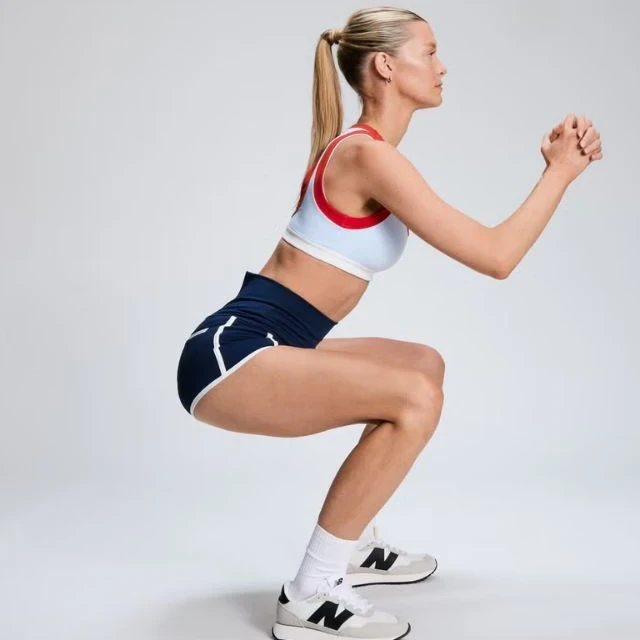 Squats are one of the most important functional movements. They strengthen your lower body and improve balance.
How to do it:
- Stand with feet shoulder-width apart
- Push your hips back and bend your knees
- Lower down as if sitting into a chair
- Stand back up and squeeze your glutes
Beginner tip: Keep your chest up and weight on your heels.
2. Wall Push-Ups
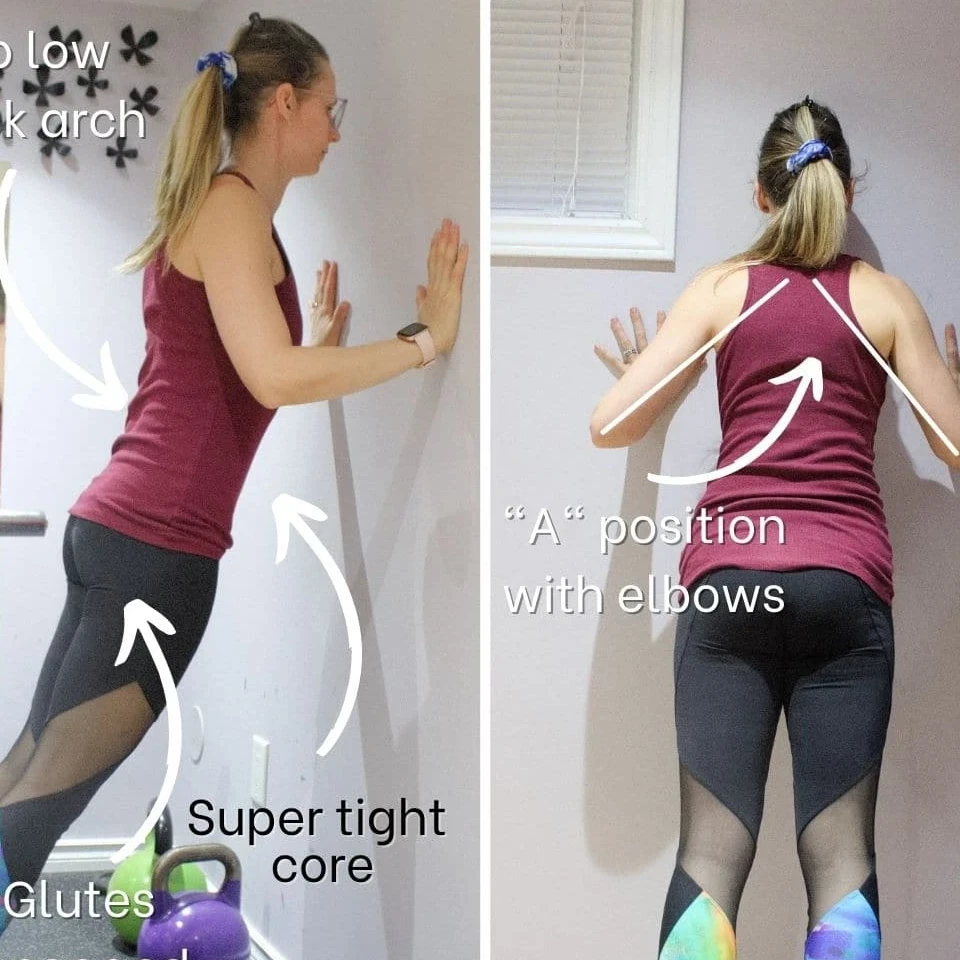 Works: Chest, shoulders, arms
Wall push-ups are a gentle introduction to upper-body strength.
How to do it:
- Place hands on a wall at chest height
- Step feet slightly back
- Bend elbows and lean toward the wall
- Push back to the starting position
Beginner tip: The farther your feet are from the wall, the harder it becomes.
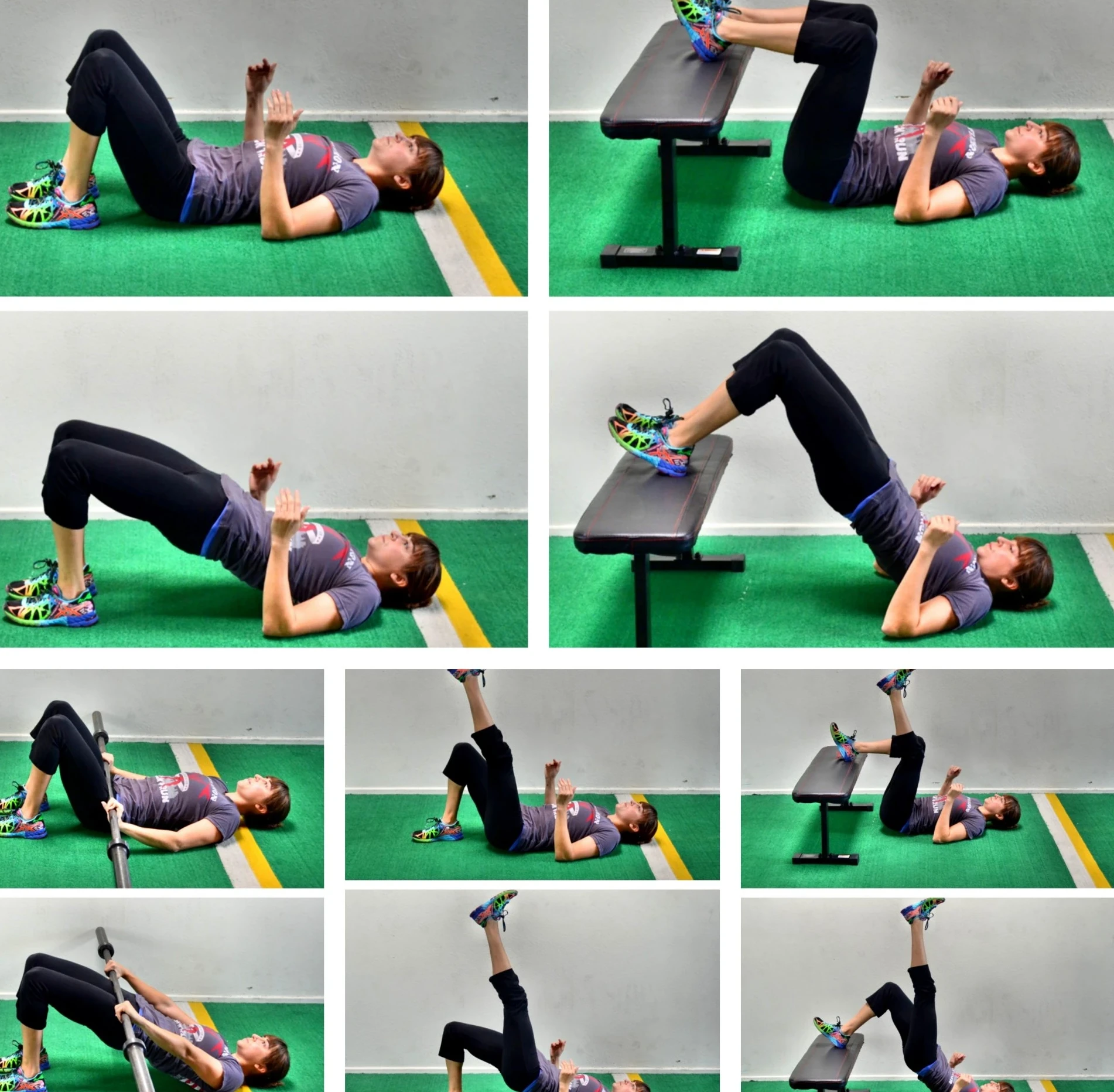
3. Glute Bridges
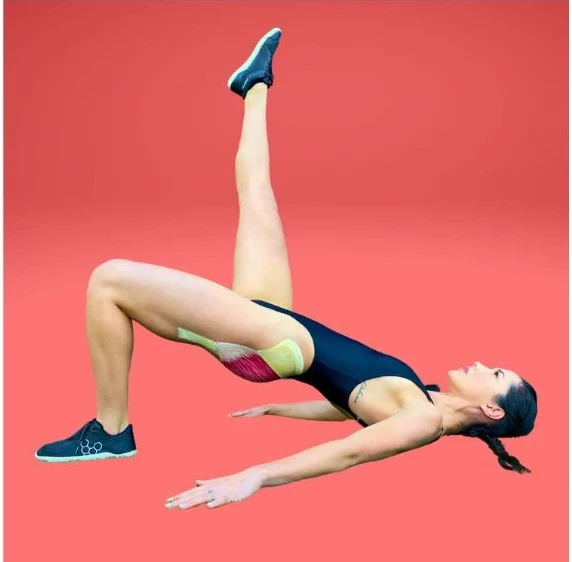 Works: Glutes, lower back, core
This exercise strengthens your backside and supports better posture.
How to do it:
- Lie on your back with knees bent and feet flat
- Push through your heels and lift your hips
- Squeeze your glutes at the top
- Lower slowly
Beginner tip: Avoid arching your lower back.
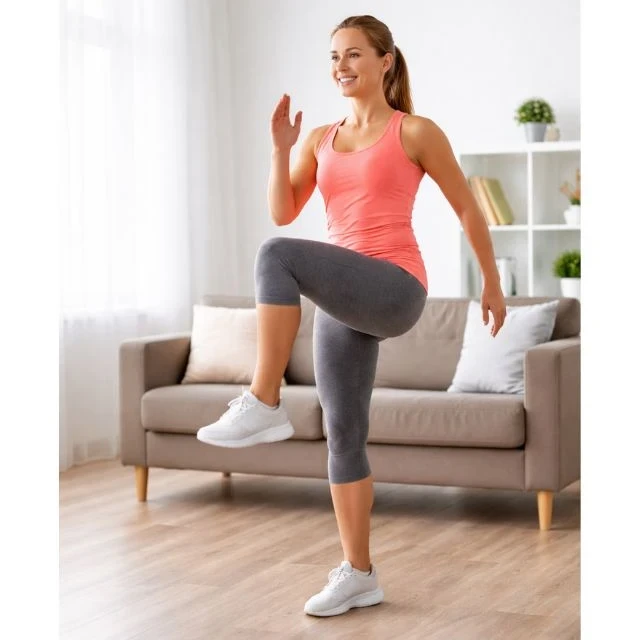 *Works: Glutes, lower back, core
This exercise strengthens your backside and supports better posture.
How to do it:
- Lie on your back with knees bent and feet flat
- Push through your heels and lift your hips
- Squeeze your glutes at the top
- Lower slowly
Beginner tip: Avoid arching your lower back.
5. Knee Plank
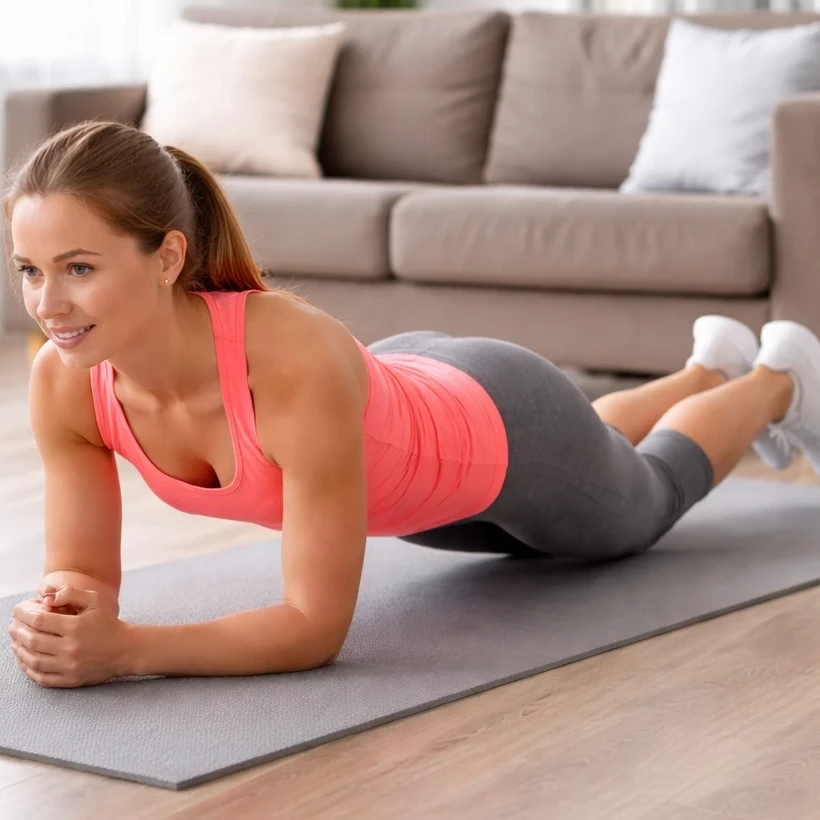
Works: Core, balance, coordination
A simple movement that improves stability and mobility.
How to do it:
- Stand tall
- Lift one knee at a time like marching in place
- Keep your core tight
Beginner tip: Hold onto a wall or chair if balance is an issue.
6. Chair Step-Ups
 Works: Core, shoulders
Planks build deep core strength without crunching your spine.
How to do it:
- Place forearms on the floor
- Keep knees down and body in a straight line
- Hold while breathing steadily
Beginner tip: Start with 10–20 seconds and build up slowly.
7. Lying Leg Raises
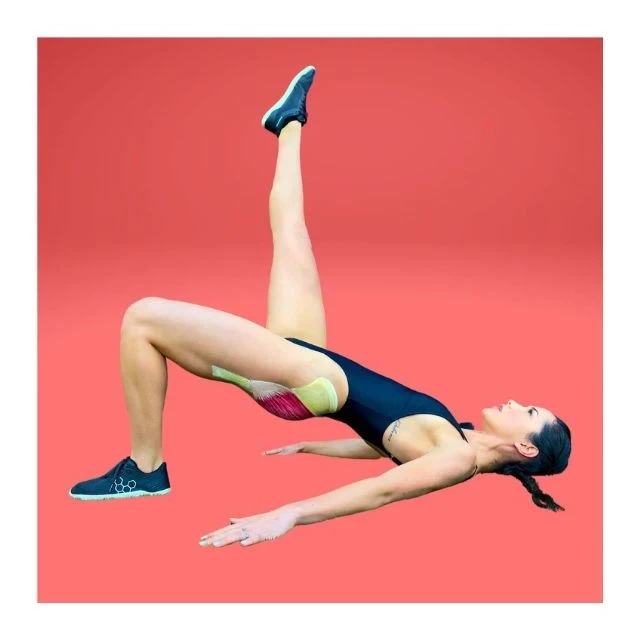
Works: Lower abs, hips
Great for building core control.
How to do it:
- Lie on your back
- Lift legs a few inches off the floor
- Lower slowly without arching your back
Beginner tip: Bend knees slightly if this feels too hard.
8. Seated Crunches
Beginner-friendly core exercise.
How to do it:
Sit on the floor, lean back slightly, and crunch forward.
Works: Lower abs, hips
Great for building core control.
How to do it:
- Lie on your back
- Lift legs a few inches off the floor
- Lower slowly without arching your back
Beginner tip: Bend knees slightly if this feels too hard.
8. Seated Crunches
9. Arm Circles
Works: Core
A beginner-friendly alternative to floor crunches.
How to do it:
Sit on the floor with knees bent
Lean back slightly. Crunch forward while engaging your abs. Beginner tip: Move slowly and avoid pulling your neck.
10. Standing Calf Raises
Works: Lower legs
Often overlooked, but important for ankle strength and stability.
How to do it:
- Stand tall
- Lift heels off the ground
- Lower slowly
Beginner tip: Hold onto a wall for balance.
How to Put These Exercises Into a Beginner Routine
If you’re new to exercise, don’t overthink it.
Start with:
- 8–12 reps per exercise
- 1–2 rounds total
- Rest as needed
- 2–4 workouts per week
A sample beginner circuit:
- Squats
- Wall push-ups
- Glute bridges
- Standing marches
- Knee plank
Repeat once or twice.
👉 Prefer a structured plan instead of guessing?
Download the Free 7-Day Home Workout Plan and follow a routine designed specifically for beginners.
Common Beginner Mistakes to Avoid
Many beginners quit not because exercise doesn’t work—but because they start too hard.
Avoid these common mistakes:
- Doing too much too soon
- Skipping warm-ups
- Comparing yourself to others
- Expecting instant results
- Quitting after missing one day
Progress comes from showing up again, not being perfect.
How Long Before Beginners See Results?
Most beginners notice:
- Increased energy within 1–2 weeks
- Improved strength and coordination within 2–3 weeks
- Visible changes after 4–6 weeks (with consistency)
The key is small daily actions.
That’s why short, simple workouts work better than extreme plans.
Final Thoughts
You don’t need a gym to get fit.
You don’t need equipment to get stronger.
You don’t need perfection to make progress.
All you need is:
- A simple plan
- Beginner-friendly exercises
- The willingness to start
If you’re ready to take action today, get the Free 7-Day Home Workout Plan for Beginners and build momentum—one day at a time.