
People keep asking if working out in the morning or at night is better for weight loss. I get this question all the time, and it makes sense; everyone wants a straight answer. The truth is, there is a best time to exercise for fat loss, but it depends on your goals, hormones, and what actually fits into your day-to-day routine. There are a few science-backed reasons why one might work better for you (and I’ll share my personal pick later in this post), so stick around to see which timing actually comes out on top for real-world results.
How Weight Loss Actually Works
Weight loss really comes down to “calories in vs. calories out.” That’s just a simple way of saying you have to burn more calories through activity and basic body functions than you eat or drink. Pretty straightforward, but there’s more going on inside your body than just a calorie balance.
Hormones play a big role here. Cortisol, also known as the stress hormone, is higher in the morning, which can help your body unlock fat for energy. Insulin, which controls your blood sugar, works differently depending on when and what you eat. Melatonin, which helps you get sleepy, starts increasing in the evening. These all influence how your body uses or stores fat. But here’s what many beginners get wrong: Consistency is way more useful than stressing about perfect timing. People lose motivation or get overwhelmed chasing that “perfect” window and end up quitting altogether. Sticking with a routine, whatever time you choose, is what really matters and gets results.
I made a simple free guide for you
Benefits of Morning Workouts for Weight Loss

Working out in the morning often means exercising on an empty stomach (fasted state), which can help your body tap into fat stores for fuel. Some studies show that fasted morning workouts might burn a bit more fat, especially if you skip breakfast and go straight to the gym or out for a run.
One of my favorite things about early workouts is how they kick your metabolism into gear, making you burn more calories throughout the day. Getting exercise done first thing means you’re less likely to skip a session because of a busy day or unexpected distractions. Plus, it sets a positive tone and makes you feel accomplished before most people are even awake.
There are a few types of morning workouts that are pretty handy for fat loss: brisk walking, jogging, cycling, HIIT (high-intensity interval training), and simple bodyweight circuits. Morning sessions work great if you’re a routine lover, someone with a packed schedule, or just want more energy throughout the day. Starting off with a morning workout can even give your mood a boost and help you manage stress better. Personally, I find that getting sun exposure early on lifts your spirits and might even help with sleep quality at night.
Drawbacks of Morning Workouts
Morning workouts sound awesome, but they don’t suit everyone. Some people feel sluggish, stiff, or low on energy before breakfast. Muscles and joints can take longer to loosen up, and going too hard when you’re still half-awake can lead to injury or result in burning out over time. If you’re not naturally a morning person, you might end up dreading the alarm and skipping it altogether.
Benefits of Evening Workouts for Weight Loss
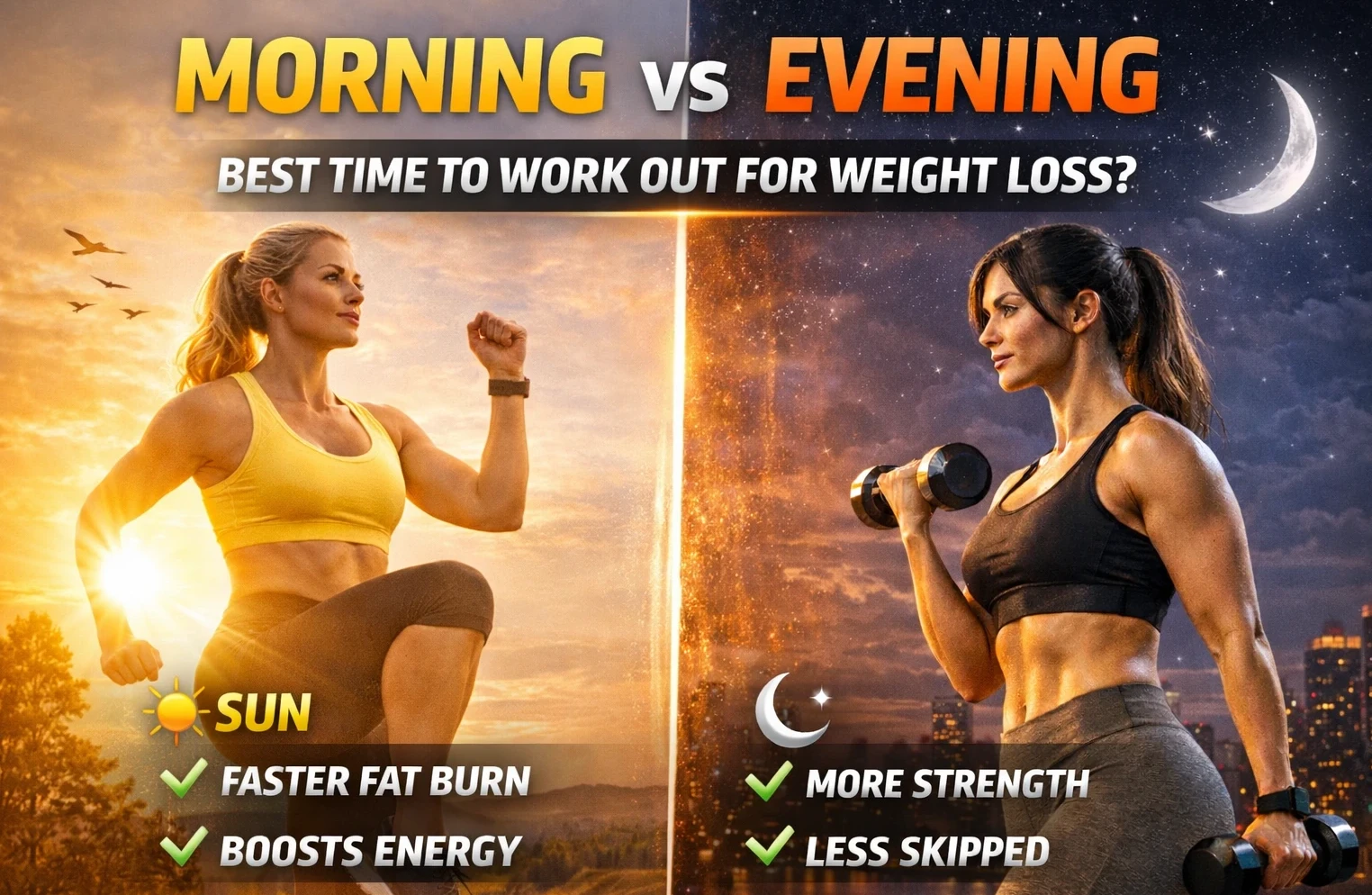
Evening workouts let you make the most of your body’s natural rhythm. Strength, flexibility, and endurance often peak later in the day, so you might find you lift more, run faster, or push harder at night. That usually means you burn more total calories per session. Plus, working out after work can double as major stress relief, which helps control emotional eating and cravings for junk food.
If you find it hard to wake up early or you’re just naturally more energized in the evening, those later sessions could help you stay active more consistently. Also, it can be a social highlight if you team up with friends or join a group class. Some people even find that evening exercise helps them wind down after a long day, as long as it doesn’t run too late.
Drawbacks of Evening Workouts
For some people, working out late leads to poor sleep, especially if you’re doing really intense classes close to bedtime. Night workouts are also easier to skip because of social plans, late work hours, or fatigue after a long day. Distractions add up, and sometimes you just want to stay home once you get there. If you struggle with late-night cravings, sometimes evening exercise can make you extra hungry if you don’t plan a healthy dinner or snack.
“Morning vs. Evening: Which Burns More Fat?”
| Feature | Morning Workouts | Evening Workouts |
|---|---|---|
| Fat burning | Higher fasted fat usage | Higher calorie burn per session |
| Energy levels | Lower at first, improves all day | Higher strength & endurance |
| Consistency | Easier to stick to | More likely to skip |
| Sleep impact | Improves sleep | Can disrupt if too late |
| Best for | Busy beginners, belly fat | Strength, stress relief |
Morning vs. Evening: Which Burns More Fat?
Here’s what it really comes down to: hormones, energy, workout quality, and consistency. Mornings are good for fat burning because of cortisol and fasted cardio, plus you’re less likely to let excuses get in the way. Evenings are better if you want top performance, can manage stress with exercise, or just don’t like mornings.
Most research (and my experience helping clients) supports the idea that the best time for fat loss is when you’ll actually stick with it every week. For beginners, mornings often work better because habits have a way of sticking, and you’re less likely to bail. But if your body truly hates mornings, don’t force it; consistency absolutely beats perfect timing every single time.

What Science Says About Workout Timing
Research shows that morning exercise improves insulin sensitivity and helps regulate appetite throughout the day, while evening workouts often lead to better strength and endurance. Both lead to fat loss when done consistently—which is why habit and schedule matter more than the clock.
Read more: How to lose a belly fat in 2026: A beginner’s guide
10 Morning workouts for a flat stomach
Best Workout Times Based on Your Goal
- Targeting belly fat: Any time of day works if you’re doing cardio and controlling calories, but mornings may help with more discipline and lower cravings.
- Busy beginners: Mornings usually stick because life hasn’t gotten in the way yet. Even short workouts work if you do them daily.
- Women: Some find morning workouts fit better with family schedules, but hormonal cycles can make evenings feel stronger some weeks.
- Slow metabolism: Morning activity, especially walking or light cardio before breakfast, helps give your metabolism a boost for the rest of the day.
- Night owls: Evening or late afternoon fits your energy patterns; just be mindful of sleep quality. Follow A Simple Free 7-Day Workout Plan Here
Sample Weekly Workout Schedules
Morning Schedule:
- Monday, Wednesday, Friday: 30 min brisk walk or run before breakfast
- Tuesday, Thursday: Bodyweight circuit or HIIT at sunrise
- Saturday: Yoga, stretching, or light cardio
Evening Schedule:
- Monday, Wednesday, Friday: 45 min strength session after work
- Tuesday, Thursday: Group fitness class or bike ride
- Sunday: Evening walk or gentle stretching
Mixed Schedule:
- Monday: Morning walk
- Tuesday: Evening strength
- Wednesday: Morning cardio
- Thursday: Evening class
- Friday: Morning HIIT
- Weekend: Flexible timing, whatever fits
Common Mistakes That Kill Results
- Skipping meals after workouts. Your body needs protein and carbs to recover, even when you want to lose weight.
- Pushing too hard every single day, leading to overtraining and zero motivation.
- Working out at random times; your body and mind do better with a regular schedule.
- Not getting enough sleep. Recovery and fat-burning both slow down if you’re tired.
FAQs (SEO Booster Section)
- Is it bad to work out at night? Not really, unless it messes with your sleep. Try to finish workouts at least an hour before bed if possible.
- Should I eat before morning workouts? If your workout is under an hour and not extra intense, it’s fine to go fasted. If you feel weak, have a small snack like a banana or bit of toast.
- Is fasted cardio better? It’s not magic, but it can help burn fat if you’re consistent. Your overall diet matters more for fat loss.
- How long should workouts be? Even 20 to 30 minutes per session can work, as long as you’re getting your heart rate up and staying active most days of the week
When I first started training beginners, most people told me they planned to work out after work—but 80% of them skipped because of fatigue, stress, or family duties. The ones who trained in the morning stuck to it and lost weight faster, even with shorter workouts.
Final Verdict
Both morning and evening workouts can help you lose weight, but the real progress comes from doing them regularly, not just picking a time and hoping for the best. If you want results, find the timing you can keep up with, and make it your nonnegotiable. Want a simple plan to get started? Grab Your 7-Day work plan + Fat Loss Guide
guide and begin building your own fat-burning routine. You’ve got this!