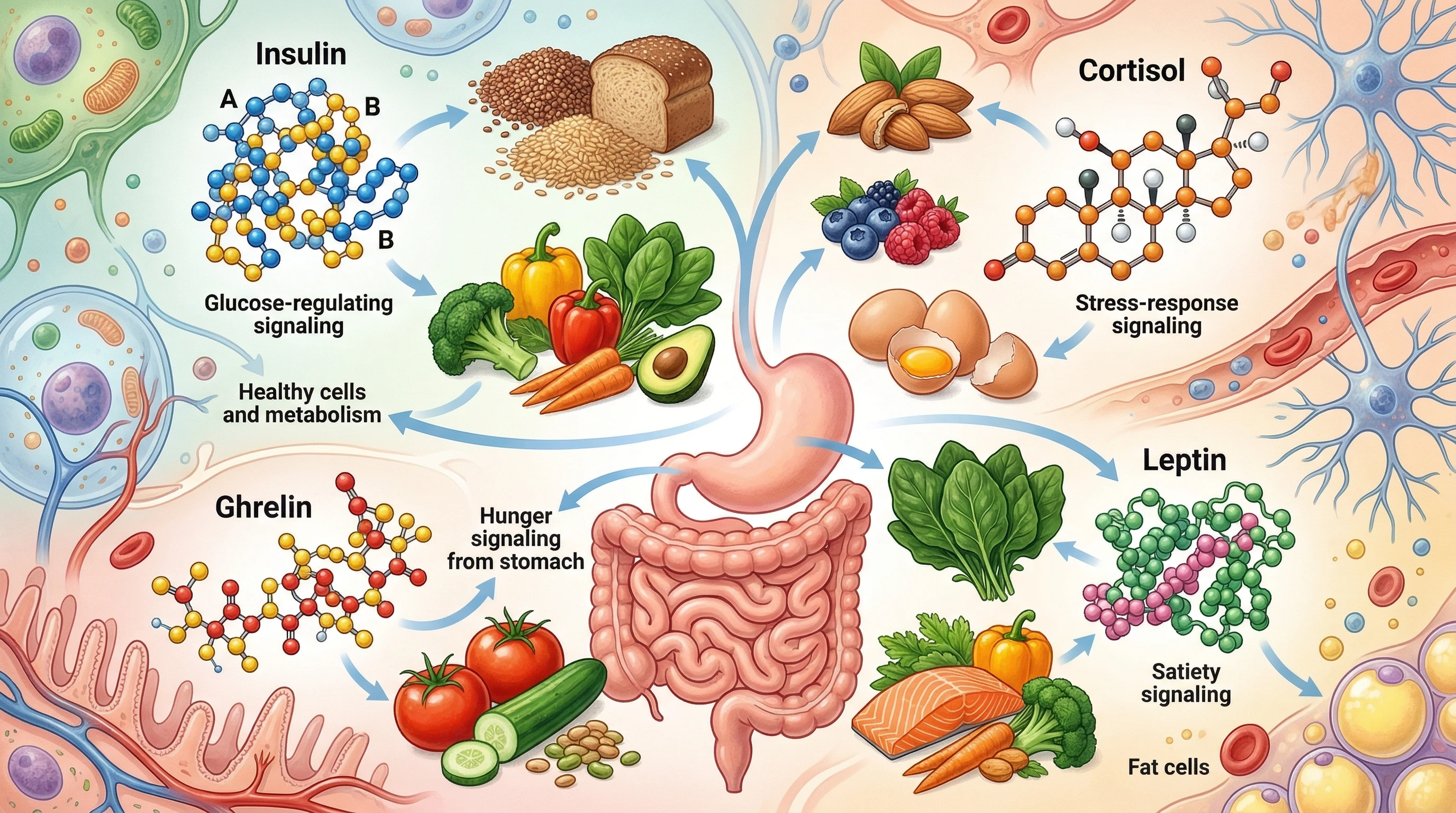
 When it comes to losing body fat, there’s a debate about what really makes the difference: Is it all about calories, or do hormones play a bigger role than we often think? I hear these questions all the time, and honestly, both sides have points worth checking out. But if you’ve been working hard to lose weight and not seeing results, chances are there’s more to the story than the old “eat less, move more” idea.
Fat loss isn’t just about logging calories in a food tracker. Sure, calories matter, but hormones can have a huge influence on whether or not your plan actually works. Here’s what’s going on inside your body and why a one-size-fits-all approach comes up short for so many people. Let’s jump into the core hormonal influences on fat loss and why addressing only calories doesn’t always get the job done.
Insulin: More Than a Blood Sugar Hormone
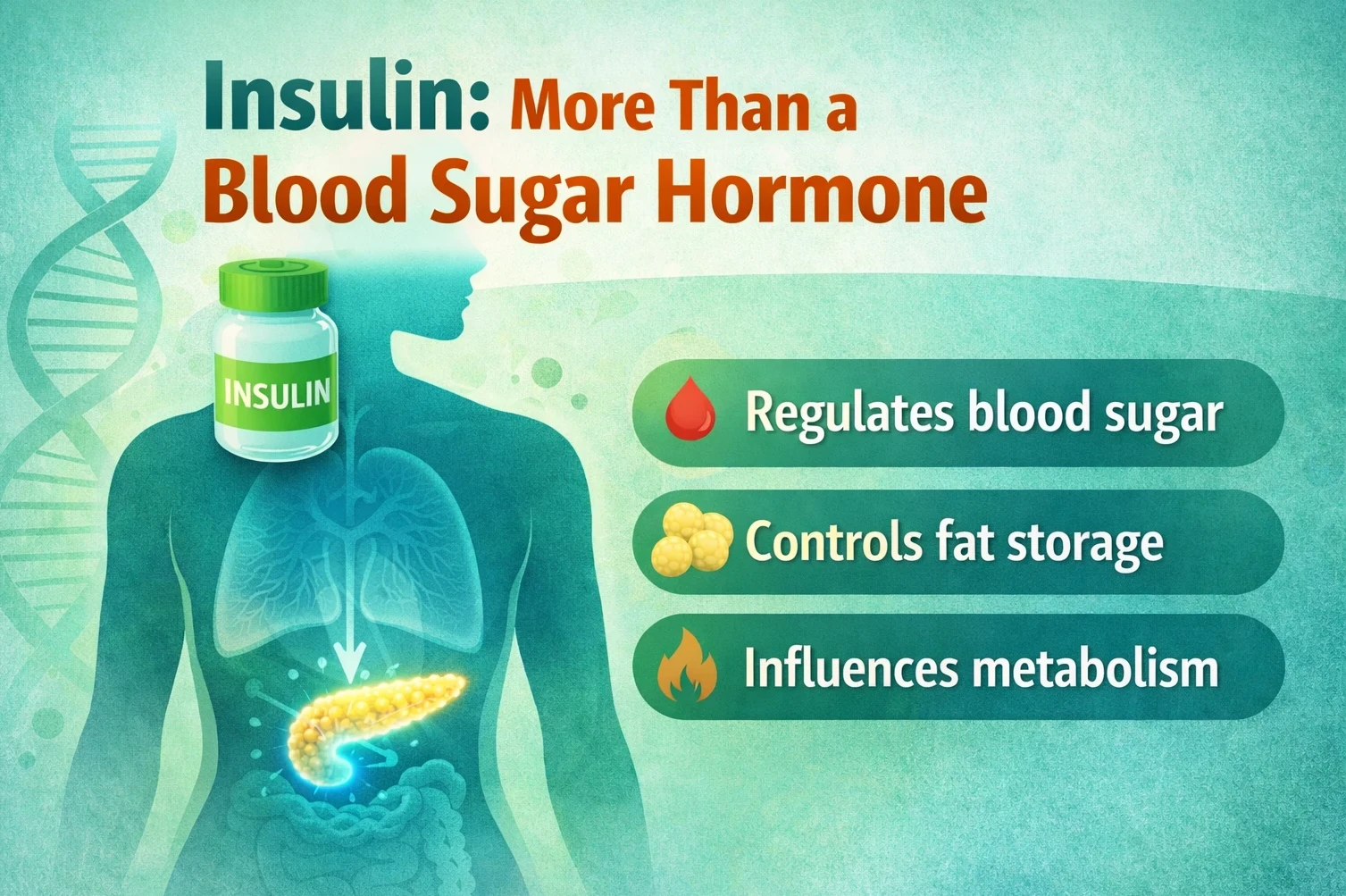
Insulin is well known for its part in blood sugar control, but it also has a big say in how your body stores fat. After you eat carbs, your blood sugar climbs, and insulin’s job is to help move that sugar into your cells. High levels of insulin over time can make your body store energy as fat, instead of burning it.
If you’re often snacking or taking in plenty of processed carbs, your insulin level can hang around at a higher point all day. This makes it tough for your body to use stored fat for fuel, since insulin flips a switch and turns off fat burning. I’ve seen clients get stuck on fat loss, even with low calories, until they tweak their carb intake or include more protein foods.
- Tip: Balancing your meals—think protein, healthy fats, and fiber-rich carbs—can help keep insulin stable. Even small changes, like swapping out white rice for brown rice or adding leafy greens, can have a real benefit for your insulin response.
Cortisol: The Stress Factor
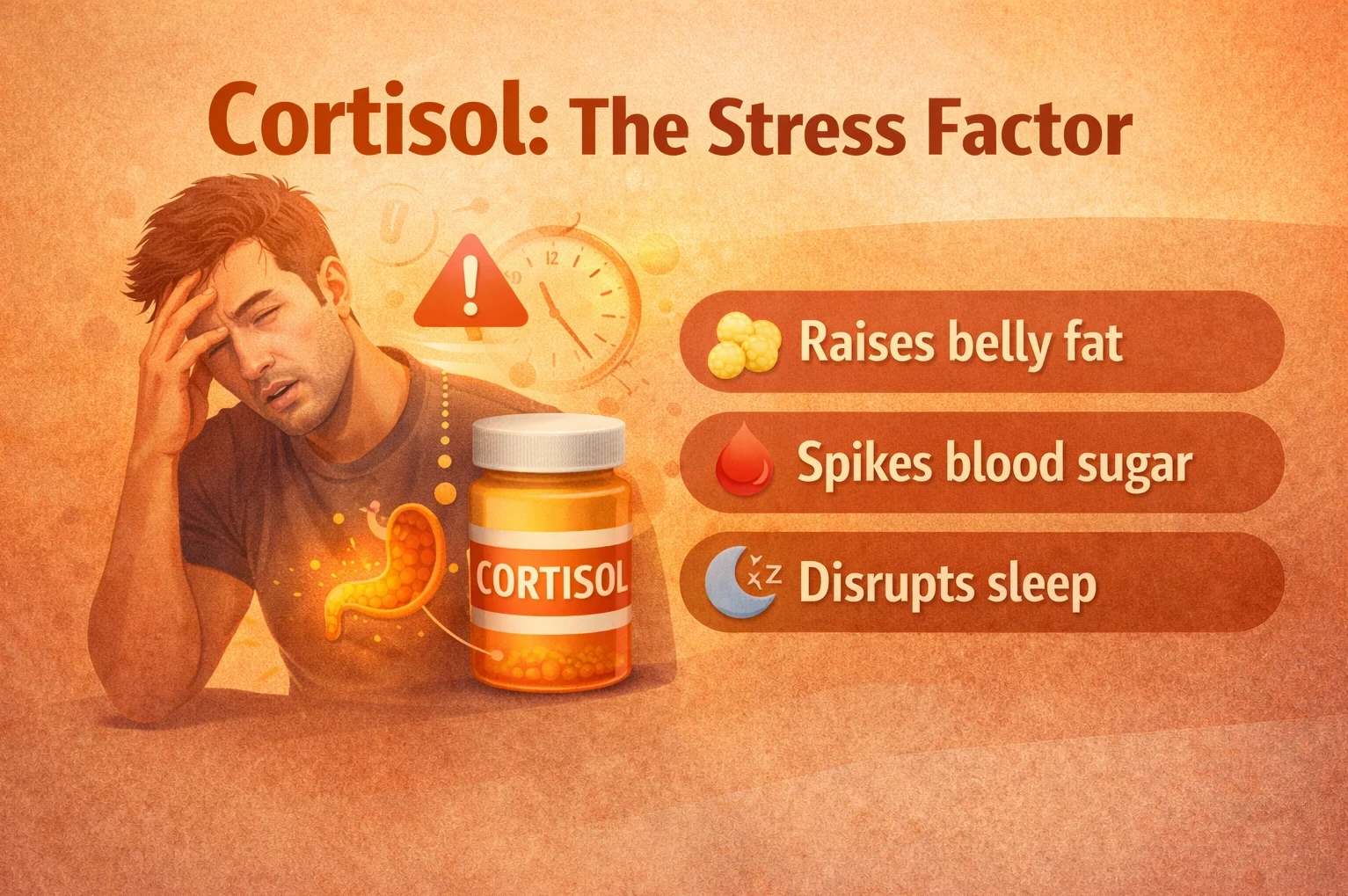
Cortisol is the hormone your body pumps out when you’re stressed. It’s useful if you’re facing danger, but if you’re always dealing with work, family, or money worries, your cortisol can stay high; that’s not ideal for fat loss.
High cortisol can lead your body to break down muscle for energy, and it actually encourages fat storage around the belly. I’ve had times when my own weight just would not budge, even with thoughtful diet choices, until I made a point to manage my stress and get better sleep. It’s a real game-changer.
- Tip: Chilling out matters—a good night’s sleep, trying out meditation, or even taking a quick walk can help get cortisol back on track. You don’t need an overhaul—a few minutes with deep breathing or some evening reading often helps.
Leptin: The Satiety Signal
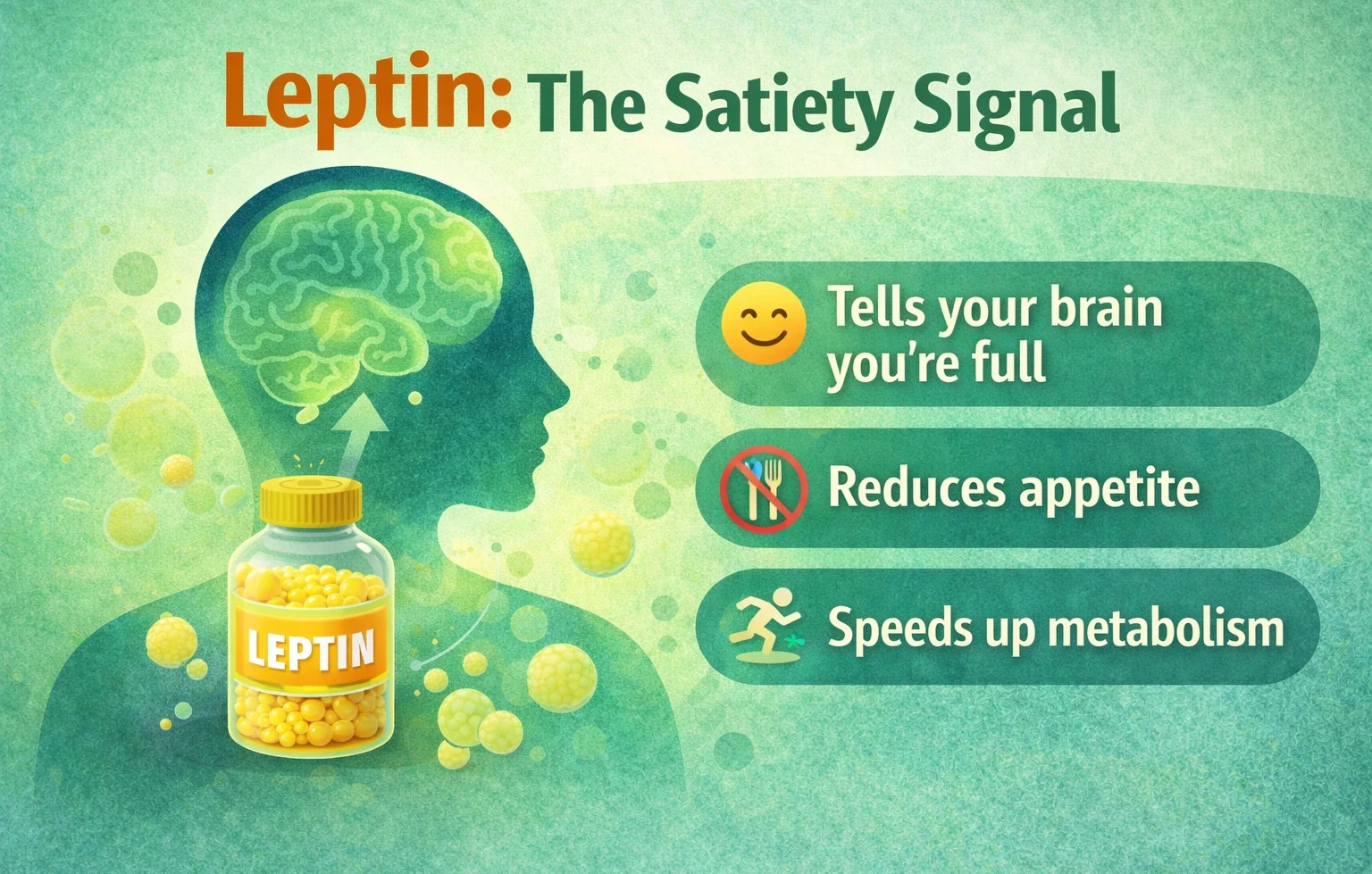
Leptin is the hormone that sends the message to your brain that you’re full and can stop eating. It’s mostly released by your body fat—so, in theory, more fat means more leptin. Here’s the twist: If you’ve carried extra weight for some time, you can become leptin resistant. This means your body is sending out leptin, but your brain isn’t picking up the signal.
This is why some people have trouble with hunger or cravings even after eating a reasonable amount. From my coaching, I’ve learned that many people who eat healthily and in moderate amounts still struggle, and leptin resistance is part of the puzzle.
- Tip: Sleep and whole foods help your leptin response. Avoiding late-night eating and settling into a regular meal pattern are also helpful for keeping leptin signals functioning well.
Ghrelin: The Hunger Hormone
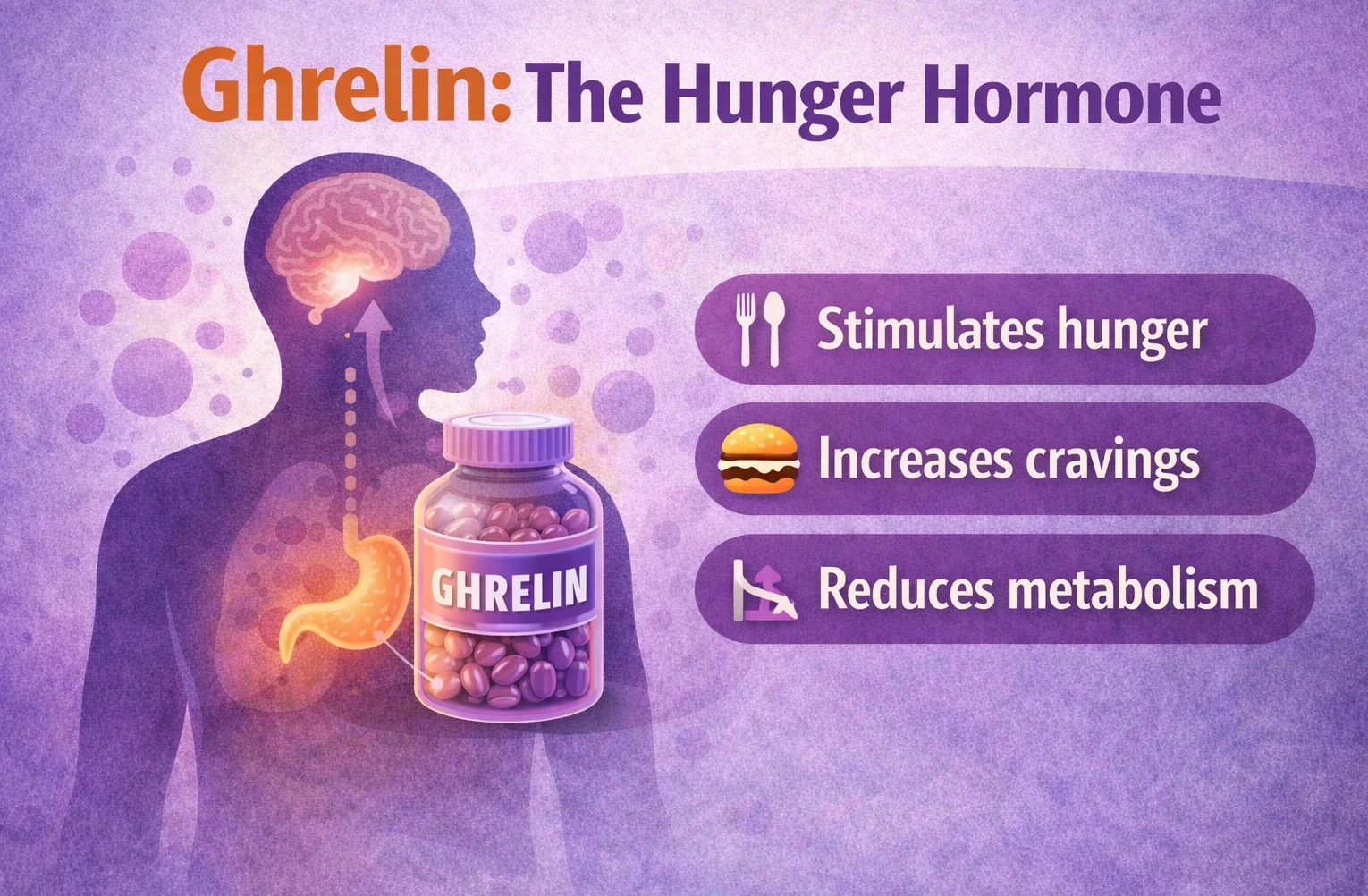
If leptin tells you to stop eating, ghrelin does the opposite—it makes you feel hungry. Ghrelin rises before meals and drops after you eat. But frequent dieting or skipping meals can disrupt ghrelin, keeping your appetite higher and making longterm fat loss harder.
Many think feeling hungry is a lack of willpower, but often hormones like ghrelin are behind those urges. Personally, when I tried super low-calorie diets in the past, my hunger just skyrocketed, and sticking with the plan felt impossible.
- Tip: Prioritizing protein, keeping meals spaced out, and actually listening to your natural hunger cues help. Smaller meals with real, minimally processed foods support healthy ghrelin levels, which means it’s easier to keep hunger at bay.
Why Calorie Counting Alone Fails
Counting calories can be useful, but it isn’t the complete answer for everyone. Here’s why simple math doesn’t always play out as expected:
- 1. Not all calories act the same: 100 calories from candy don’t hit your system like 100 calories from chicken breast or broccoli. Some options push your hunger hormones—and cravings—a lot harder than others.
- 2. Hormones affect metabolism: When you slash calories too fast, your metabolism can slow down as a safety move. Plus, high insulin, cortisol, or ghrelin make a real difference in how you use or store calories, regardless of what the app says.
- 3. Calorie labels aren’t perfect: Packaged food labels, restaurant dishes, and fitness trackers can be off by a fair amount. This margin of error can pile up fast if you’re number-focused only.
- 4. Energy output changes: Your energy, sleep, muscle amount, and even gut health impact how you burn calories. Hormones play a hand in each of these, so a textbook “calorie deficit” can still stall if your hormone signals aren’t lining up right.
When someone is stuck, focusing only on calories can be frustrating and discouraging. Focusing more on the hormonal side helps many people see genuine success, often with less stress and fewer plateaus along the way.
What Really Helps for Hormone and Weight Loss Balance?
Easy ways to support your hormones:
- Eat mostly whole foods, including fiber-rich carbs, lean protein, and good fats.
- Shoot for regular meals instead of skipping food, then eating huge servings later. This works better for your hormones and makes you feel more stable throughout the day.
- Get enough sleep—it makes a noticeable difference for every fat loss hormone discussed here.
- Get moving in ways you like, whether it’s walking, stretching, or something more intense. Movement is one of the quickest ways to give hormones a boost and lift your mood.
- Keep an eye on stress and mental wellness. Stress is an often-overlooked blocker to fat loss, and handling it smooths the way for all your efforts.
Working in harmony with your hormones means you’re finally dealing with the deeper reasons why fat loss feels complicated for so many. If you’re “doing everything right” in terms of calories but still getting nowhere, tracking down and adjusting your hormones may be the breakthrough you need.
Common Questions
Do hormones matter more for some people?
They absolutely do. Some folks are extra sensitive to hormone changes, especially during menopause or if metabolic health is an issue. If calorie counting alone hasn’t worked, getting your hormone health checked out can be really important.
Can you test hormone levels?
Absolutely! In fact, lifestyle tweaks like sleep and healthy eating can be helpful even before doing formal lab work. But if you’re stuck, asking your doctor about hormone checks is a great place to start.
Will I always have to think about hormones?
Not in a stressful way. But being aware of your sleep, stress, and meal patterns gives you a huge leg up for the long run.
Fat loss isn’t always just a numbers game. Paying attention to the way food, sleep, stress, and movement impact your hormones opens the door to longterm results and a happier, healthier body. By trusting your body’s signals and giving your hormones the support they need, you make fat loss more achievable—and much more sustainable.
If you’re curious about this topic, try tuning into your own energy, hunger, and fullness moments for a few days. Small changes in meals, sleep, or stress management can set your hormones up for success. You don’t have to overhaul your life—just staying mindful and making little shifts could be what finally gets your body working with you instead of against you. Here’s to making fat loss simpler and healthier by keeping an eye on both the math and the science of your own hormones!