One of the most common questions beginners ask is
“How often should I work out?”
Some people think they need to exercise every day to see results. Others worry they’re not doing enough. This confusion is one of the biggest reasons beginners quit early.
The truth is simple:
👉 More workouts do NOT mean better results—especially for beginners.
In this guide, you’ll learn exactly how many days per week beginners should work out, how to avoid burnout, and how to build a routine you can actually stick to
When you’re new to exercise, your body needs time to adapt.
Workout frequency matters because:
- Muscles grow during rest, not during workouts
- Too much exercise too soon increases injury risk
- Overtraining kills motivation
Beginners progress fastest when workouts are balanced with recovery.
How Many Days a Week Should Beginners Work Out?
There’s no single “perfect” number, but there is a safe and effective range.
✔ 3 Days Per Week (Best for Total Beginners)
Ideal if you:
- Are brand new to fitness
- Haven’t exercised in a long time
- Get sore easily
Example:
- Monday – Workout
- Wednesday – Workout
- Friday – Workout
This gives your body plenty of recovery time.
✔ 4–5 Days Per Week (After a Few Weeks)
Once your body adapts, you can increase frequency.
Best approach:
- Short workouts (10–20 minutes)
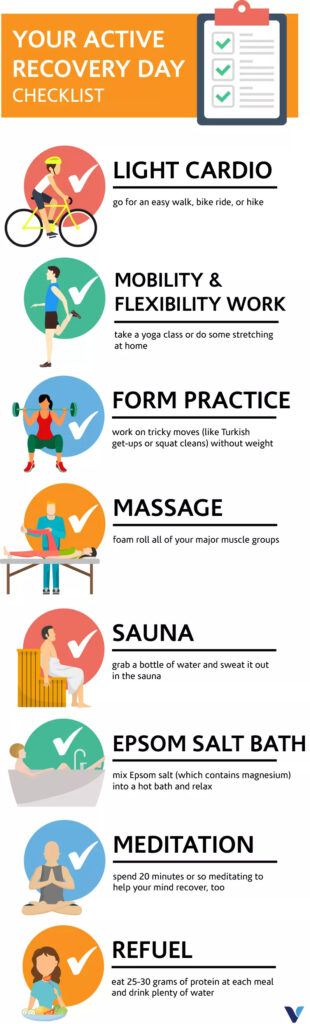
- Mix workout days with light activity days
- Include rest days
❌ Avoid 6–7 days per week as a beginner.
If your goal is general fitness
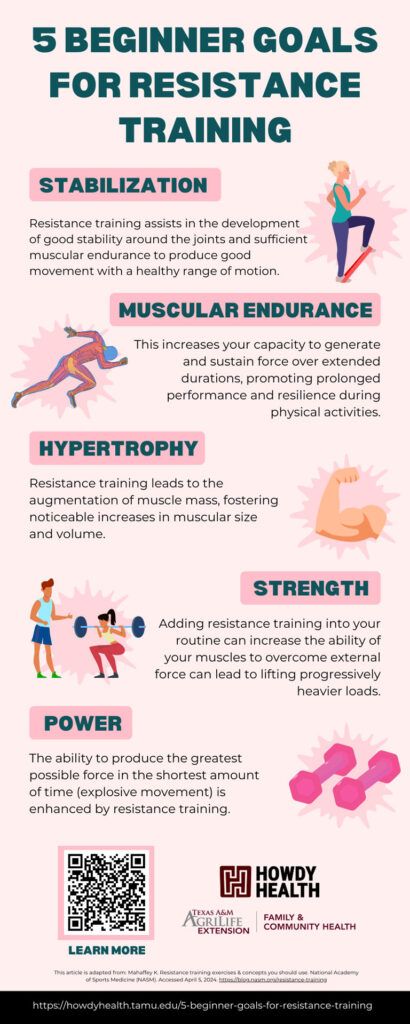
- 3–4 days per week
- Focus on full-body workouts
If your goal is weight loss
- 4–5 days per week
- Add walking or light cardio on rest days
If your goal is consistency
- Fewer days > quitting
- Start small and build confidence
Signs You’re Working Out Too Much

Your body gives signals when you need rest.
Watch for:
- Constant soreness
- Fatigue or low energy
- Loss of motivation
- Trouble sleeping
These signs mean you need recovery, not more workouts.
How Rest Days Help Beginners Progress Faster
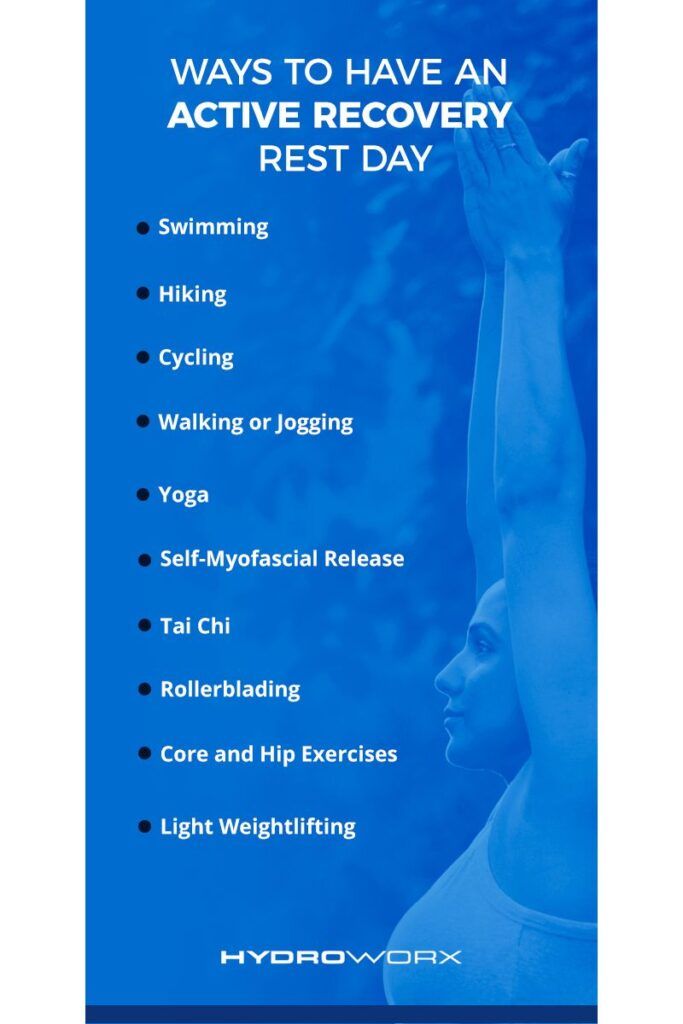
Rest days help:
- Repair muscles
- Prevent injuries
- Improve mental motivation
Rest days are not lazy days — they are productive days.
Sample Beginner Weekly Workout Schedule
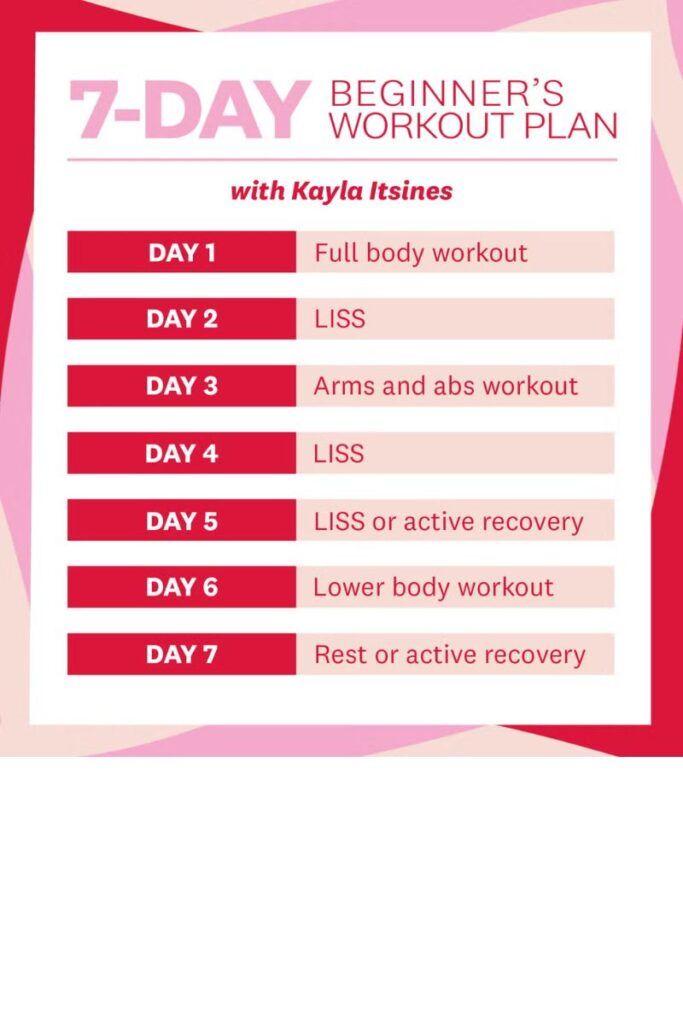
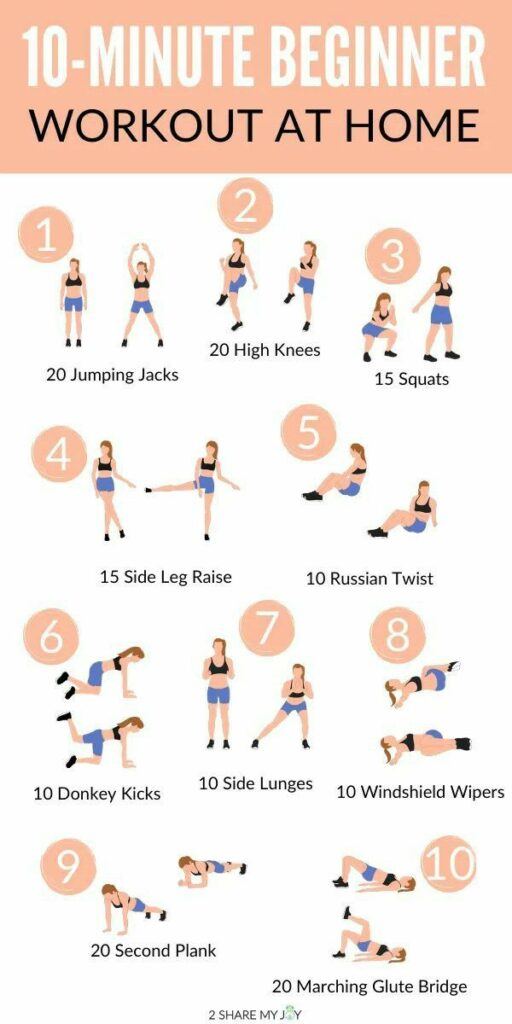
If you want a clear example of how workout frequency looks in real life, follow this beginner-friendly plan:
👉 Beginner Workout Schedule: 7-Day Home Workout Plan (No Equipment)
This schedule includes:
- Workout days
- Rest days
- Short, manageable sessions
Perfect for beginners who want structure without pressure.
Common Beginner Workout Frequency Mistakes
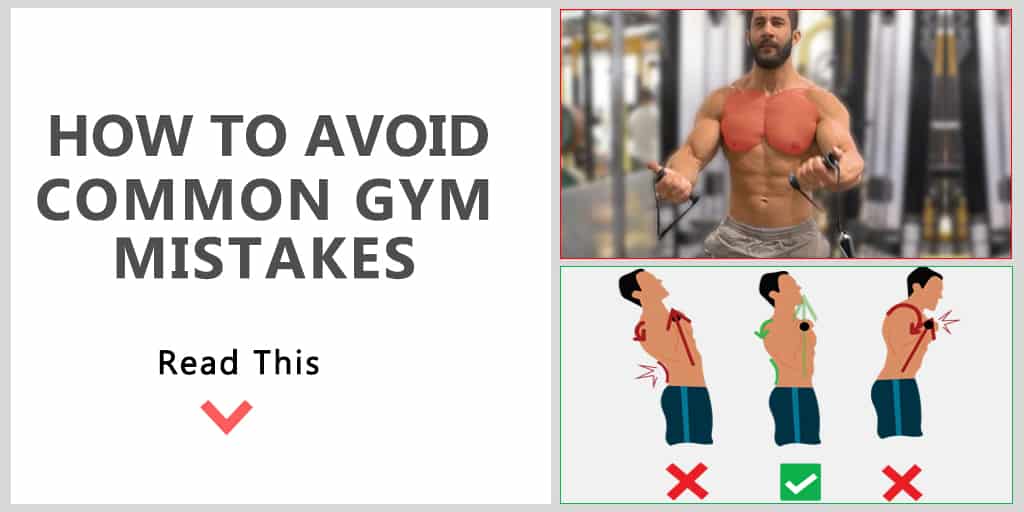
Avoid these common mistakes:
- Working out every day
- Skipping rest days
- Copying advanced routines
- Expecting instant results
Consistency beats intensity every time.
🎁 Free 7-Day Beginner Workout Plan
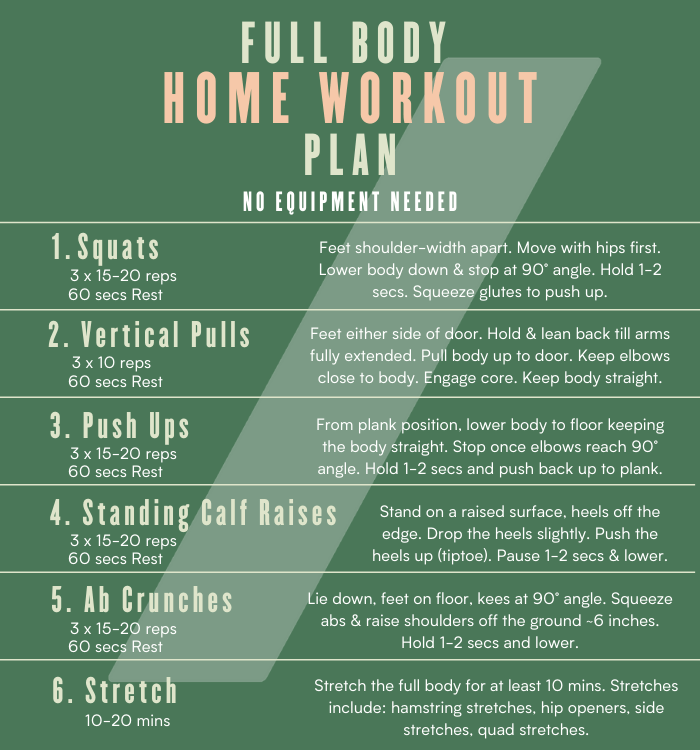
To make things easier, I’ve created a FREE 7-Day Beginner Workout Plan designed specifically for beginners.
✔ No gym
✔ No equipment
✔ Short workouts
✔ Step-by-step guidance
👉 Get the FREE workout plan here:
Final Thoughts
You don’t need to work out every day to make progress.
You need:
- A realistic schedule
- Enough rest
- Consistent effort
Start small. Stay consistent.
That’s how beginners succeed.